Introduction
In today's world, emergencies can strike at any moment, and being prepared is necessary. Among the key abilities that can conserve lives is cardiopulmonary resuscitation (MOUTH-TO-MOUTH RESUSCITATION). Young adults stand for a critical population that can be educated to respond properly in emergencies. By outfitting them with CPR training, we not only empower them with life-saving skills however additionally promote a society of preparedness and obligation. This post explores the significance of mouth-to-mouth resuscitation training for teenagers, what to anticipate in first aid programs, and exactly how these abilities add to their personal advancement and neighborhood safety.
Understanding CPR Training for Teenagers: Preparing the Future Generation for Emergencies
What is CPR?
Cardiopulmonary resuscitation (CPR) is a lifesaving technique used during emergencies when a person's heart beat or breathing has quit. It includes upper body compressions and rescue breaths that aid keep blood flow to crucial body organs up until specialist clinical aid arrives. Comprehending the basics of mouth-to-mouth resuscitation is important for teenagers that might find themselves in emergency situation situations.
Why Do Teens Required CPR Training?
Teens are often at celebrations, sports occasions, or perhaps home celebrations where emergencies could take place. By learning CPR, they become aggressive members of their neighborhood who can act emphatically during crises. The ability to perform mouth-to-mouth resuscitation with confidence can transform a potentially terrible circumstance right into one where lives are saved.

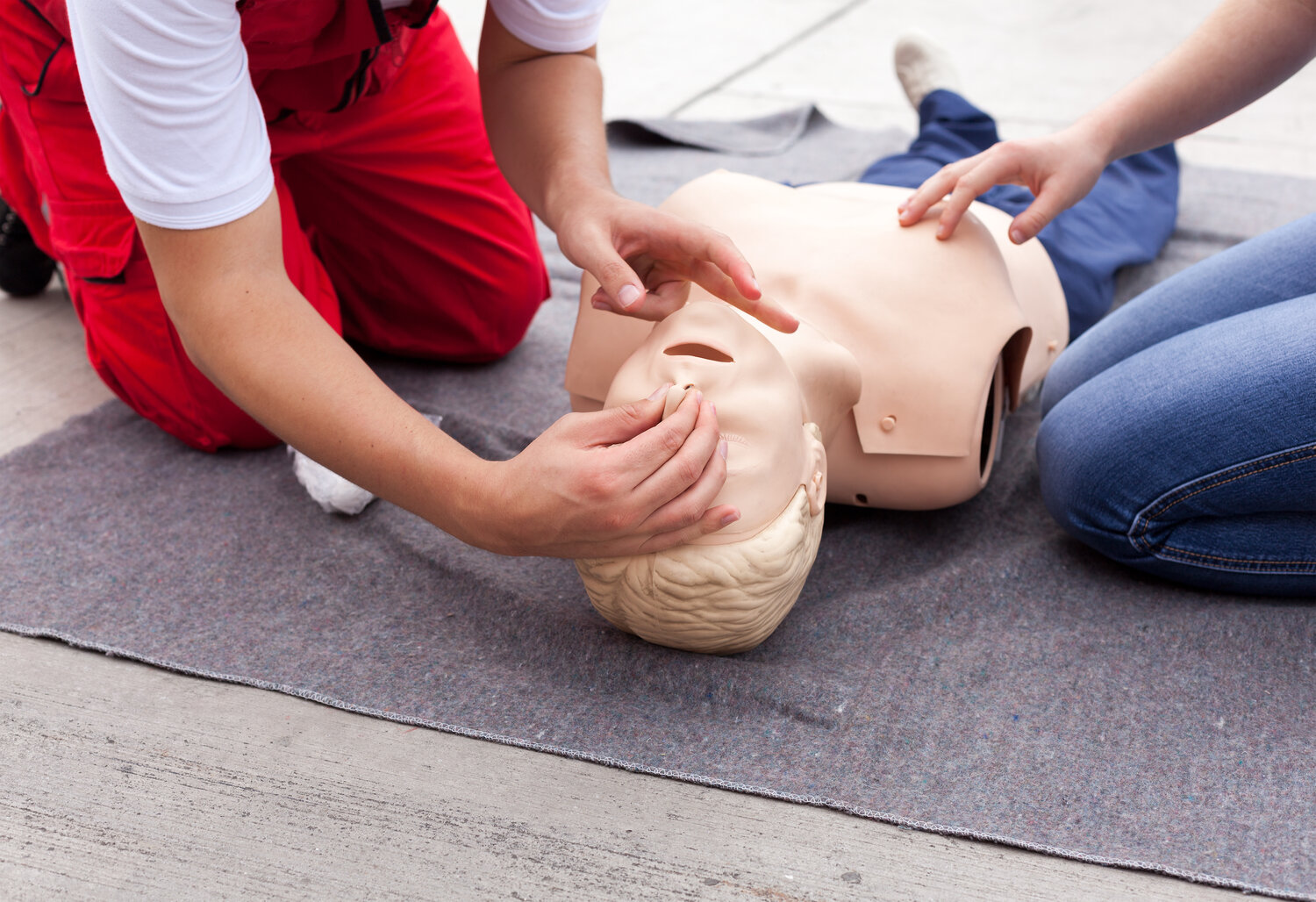
Benefits of Emergency treatment Courses for Teens
First help programs do greater than simply instruct individuals exactly how to provide prompt care; they infuse self-confidence and enhance analytic abilities. For teenagers, this experience can develop Child Care First Aid education near me personality and urge management top qualities.
- Empowerment: Knowledge of emergency treatment and CPR equips young people. Confidence Structure: Efficiently completing a program gives teens with a sense of achievement. Community Solution: Trained teenagers can volunteer in different setups such as schools or sports teams.
The Framework of mouth-to-mouth resuscitation Courses for Teens
Course Period and Format
Most first aid programs are developed to fit within a few hours to a couple of days, depending on the deepness of training used. Generally, a fundamental first aid course will cover:
- Theory: The concepts behind first aid techniques. Practical Skills: Hands-on exercise with mannequins or via simulations.
Key Parts Covered in Emergency Treatment Courses
Understanding Emergency situation Situations- Recognizing when to require help Assessing the scene for safety
- Performing premium chest compressions Providing rescue breaths correctly
- Learning exactly how to run an AED Importance of early defibrillation
- Techniques for adults, children, and infants Recognizing indicators of air passage obstruction
- Cuts and scrapes Sprains and fractures
The Importance of Qualification in Emergency Treatment Training
Obtaining Your First Aid Certificate
Completing an emergency treatment course usually culminates in obtaining a qualification that confirms your skills. This certification serves numerous purposes:
- It demonstrates skills in emergency situation response. Many companies need accreditation for engagement in certain events.
Keeping Accreditations Current
Just like any kind of life skill, it is very important to maintain your expertise up-to-date. A lot of companies advise renewing qualifications every two years.
How Young adults Can Get Included with Emergency Treatment Training
Finding Local Emergency treatment Courses
Teenagers interested in gaining their emergency treatment certification should check out regional recreation center, institutions, or CPR Courses Near Me wellness companies that provide licensed programs.
Helpful Resources:
- American Red Cross St John Ambulance Local hospitals or health and wellness departments
Online vs In-Person Training Options
With advancements in modern technology, on-line components have actually come to be preferred yet might do not have hands-on method important for truly mastering techniques. A mixed technique-- incorporating on-line theory with functional sessions-- could be most beneficial.
Creating Understanding Among Peers about CPR Training for Teens: Preparing the Next Generation for Emergencies
Peer Education and learning Initiatives
Encouraging teens to share what they have actually learned with their good friends can amplify the influence of training programs:
- Forming study groups focused on emergency situation preparedness. Hosting workshops at colleges or area centers.
Using Social network as a Platform
Teens today are heavily engaged on social networks systems; utilizing these channels can aid spread out understanding concerning the significance of emergency treatment training amongst peers.
Real-Life Stories That Emphasize the Significance of CPR Educating for Teens
Case Research 1: Conserving a Life at School Sports Event
A teenager trained in mouth-to-mouth resuscitation was able to save their pal's life throughout a soccer suit when he broke down on the area due to cardiac arrest. Their quick reasoning permitted them to carry out correct chest compressions until emergency situation solutions arrived.
Case Research study 2: Family Members Emergency at Home
Another instance included brother or sisters who had taken an emergency treatment course together. When their younger brother mistakenly choked on food throughout dinner, they immediately recognized what actions to take since they remembered their training-- leading them successfully through the emergency.
Frequently Asked Concerns (FAQs) Concerning Teenager CPR Training
1. What age ought to teenagers begin taking mouth-to-mouth resuscitation courses?
A lot of companies suggest starting as early as 12 years of ages; nevertheless, younger kids can likewise learn basic concepts via ideal programs tailored to their age group.
2. For how long does it require to complete a first aid course?
Programs commonly range from 4 hours as much as 16 hours depending on web content deepness-- the average being around 8 hours.
3. Exist any prerequisites before enrolling?
No formal prerequisites exist; nevertheless, it's valuable if participants have an understanding of fundamental clinical terms.
4. Will I receive qualification after finishing my course?
Yes! Upon successful completion and passing any type of essential evaluations you'll get a main first aid certificate valid for two years.
5. Can I take these training courses online?
Numerous organizations provide hybrid layouts integrating online concept with required useful sessions held in individual-- this is recommended by market standards.
6. Is it required to renew my certification periodically?
Yes! Routine recertification guarantees your abilities stay competent and current according to existing guidelines.
Conclusion
In verdict, gearing up teens with knowledge concerning cardiopulmonary resuscitation (CPR) with specialized training programs is important not just for their development yet also boosts community safety in general. With effective training resources available-- from neighborhood training courses offering thorough instruction on both fundamental emergency treatment techniques in addition to sophisticated life assistance techniques-- it's simpler than ever before for young individuals anxious regarding making an impactful distinction during emergencies!

As we move on into an unpredictable globe filled with obstacles calling for swift activity-- allow us spend our efforts in the direction of informing this future generation so they're prepared not just academically however also almost equipped when dealt with against real-life scenarios requiring immediate responses like those needing prompt treatments such as carrying out reliable cardiopulmonary resuscitation (MOUTH-TO-MOUTH RESUSCITATION).